The Pros & Cons to Help You Find the Best Seat for Your Child
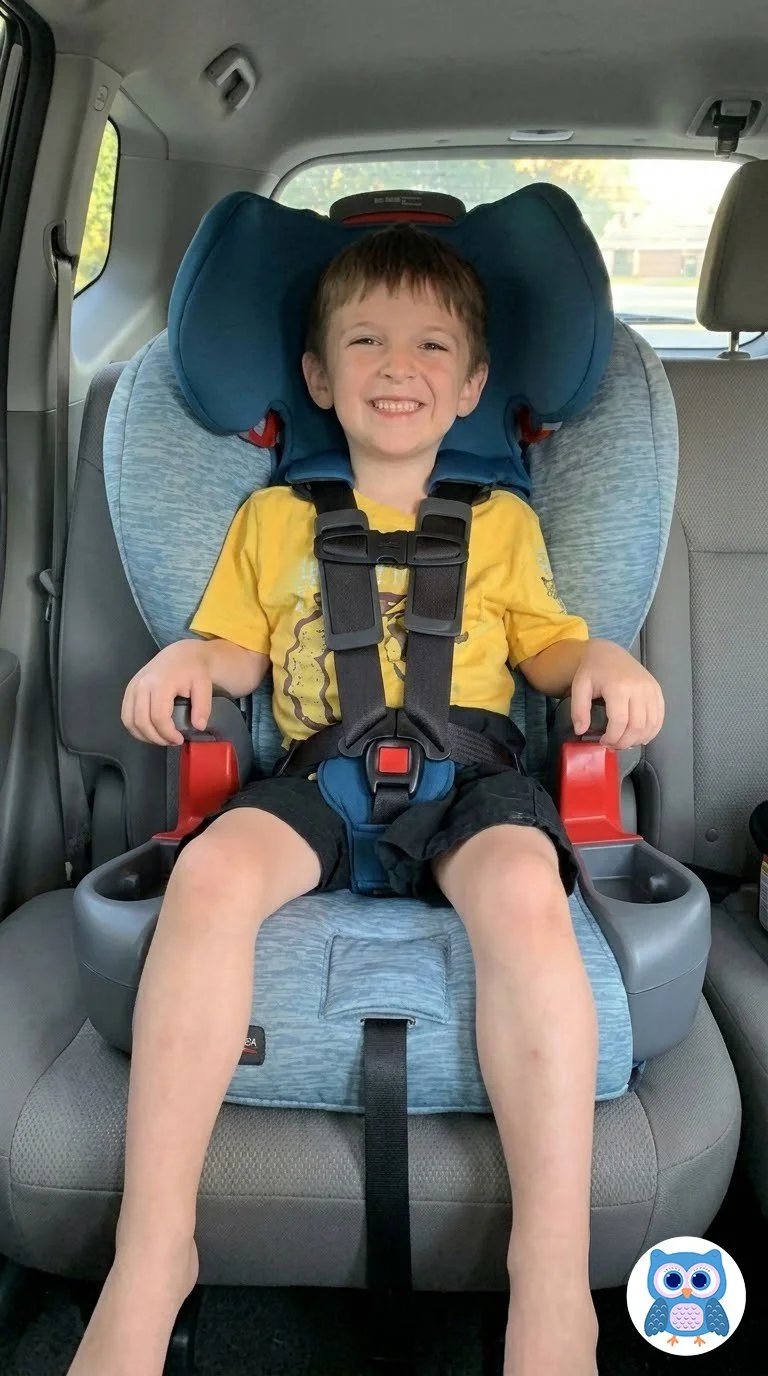
Are you in the market for a car seat for your big kid? A combination seat, often called a “harness-to-booster” seat, is a forward-facing only car seat that has a built-in harness and later converts to a belt-positioning booster. These seats allow children who are ready to ride forward-facing eventually be able to use the vehicle’s seat belt without changing seats.
You may be shopping for one because your child has outgrown their convertible, all-in-one, or rotating car seat or because you need to pass their current seat down to a younger sibling. Maybe you need a new seat for a grandparent’s car. Whatever brings you here, we’ll help you compare your options and find the best combination seat for your child.
Let’s talk marketing terms. What does 2-in-1 or 3-in-1 mean in the harness-to-booster space? A 2-in-1 seat means it converts to a highback booster only, so harness→highback booster. A 3-in-1 seat means it has 3 modes: harness→highback booster→backless booster.
Is there a difference in safety between a highback booster and a backless booster? We don’t have any studies indicating a difference, but we recommend older, larger kids use backless boosters since they give more freedom of movement.
When Is the Best Time to Switch from Harness to Booster Use?
As you look through the seats below, you’ll see we list the minimum age limits the manufacturer places on each stage. Minimum age limits rarely correspond to best practice limits, especially when it comes to booster use. Using a belt-positioning booster requires a set of skills that develop over time and take practice.
Inhibition control, a major executive function, takes a big leap in the late preschool/early elementary school years—right around the time children start using booster seats. Being able to sit properly in a booster seat with the seat belt in position at all times can be difficult for a child who can’t control themselves. Kids must also have the dexterity to buckle and release the latchplate from the buckle. These skills come together around ages 5-6 and each child achieves them at different rates. Your child may not develop them until later and you’ll drive yourself crazy nagging them; save your sanity, let them mature a bit, and keep them harnessed another 6 months to a year if they still fit.
There are actually a lot of combo seats (we’ll use this term from here on out because it’s easier to type 😁—keep in mind the terms are interchangeable), but we’re only going to list a few because of their growth and longevity potential. You’re welcome to look at others, of course, but use your tape measure to measure harness slots and belt guides. Your child may have already outgrown them and we don’t think any of us have money to burn in this economy.
Can I Use These Combo Seats on an Airplane? ✈️
Yes, all of these seats can be used on a plane in harness mode only. If you’re using them in booster mode, you can’t use them on the plane because of the shoulder belt requirement (and even if your plane has shoulder belts, they are not certified for use in booster mode on aircraft). If you’re traveling with a belt-positioning booster seat on a plane, buy a lightweight backless booster and stow it in the overhead bin.
Looking for eco-friendly options? The 🌿 icon highlights flame retardant-free car seats so you can easily find FR-free car seat fashions.
2-in-1 Seats: Harness to Highback Booster
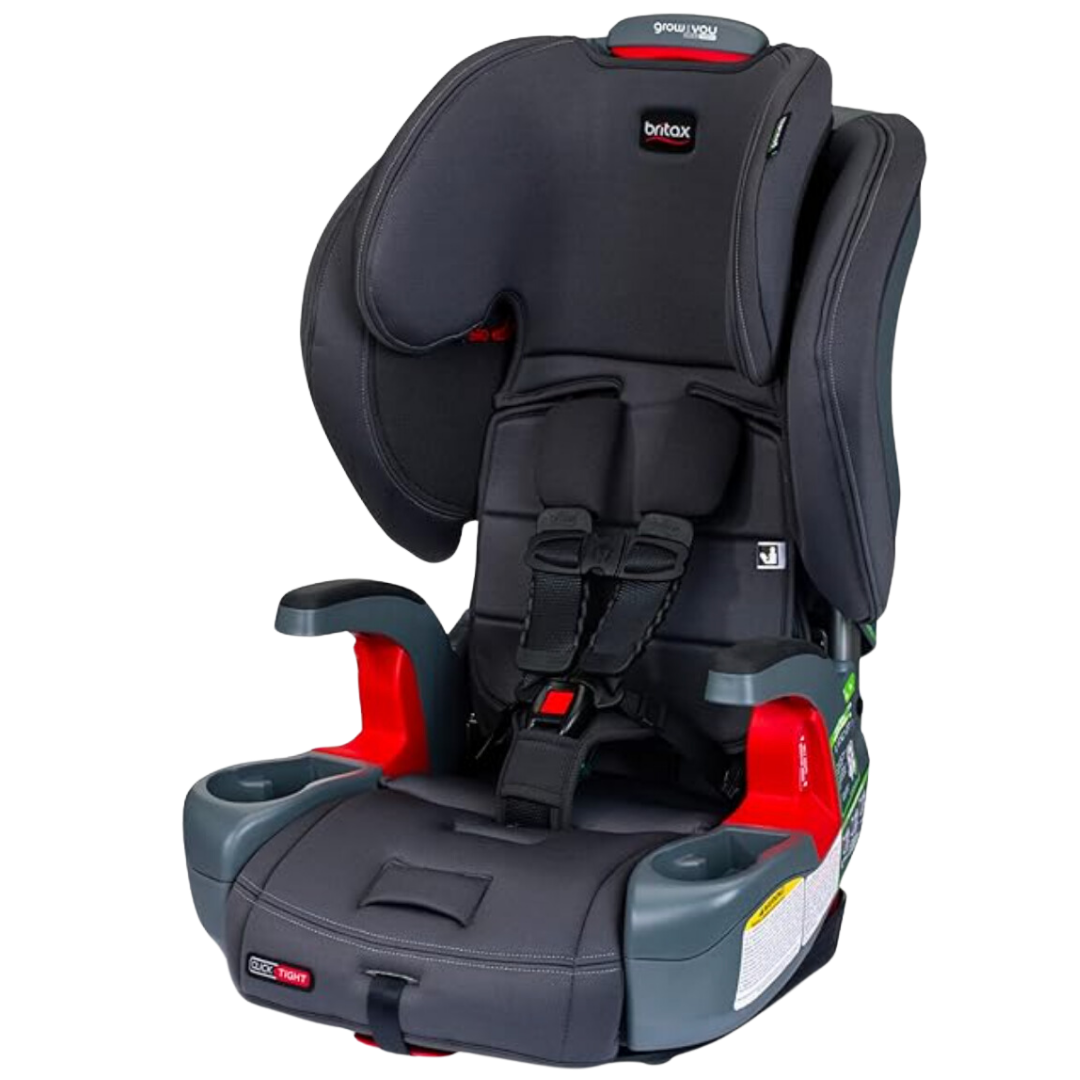
Forward-facing: 30-65 lbs., 35-49”, 2+ years old
Highback booster: 40-120 lbs., 44-63”
Top harness height: 20”
Shoulder belt height: 22”
9 Year Expiration
NHTSA Crash Guidelines
Pros: ClickTight belt-tensioning lockoff
Cons: Doesn’t work well with angled vehicle head restraints
Best For: Kids with long torsos who have shorter legs
Comments: There’s a basic Grow With Me without a ClickTight panel. The CT panel makes installation so much easier.
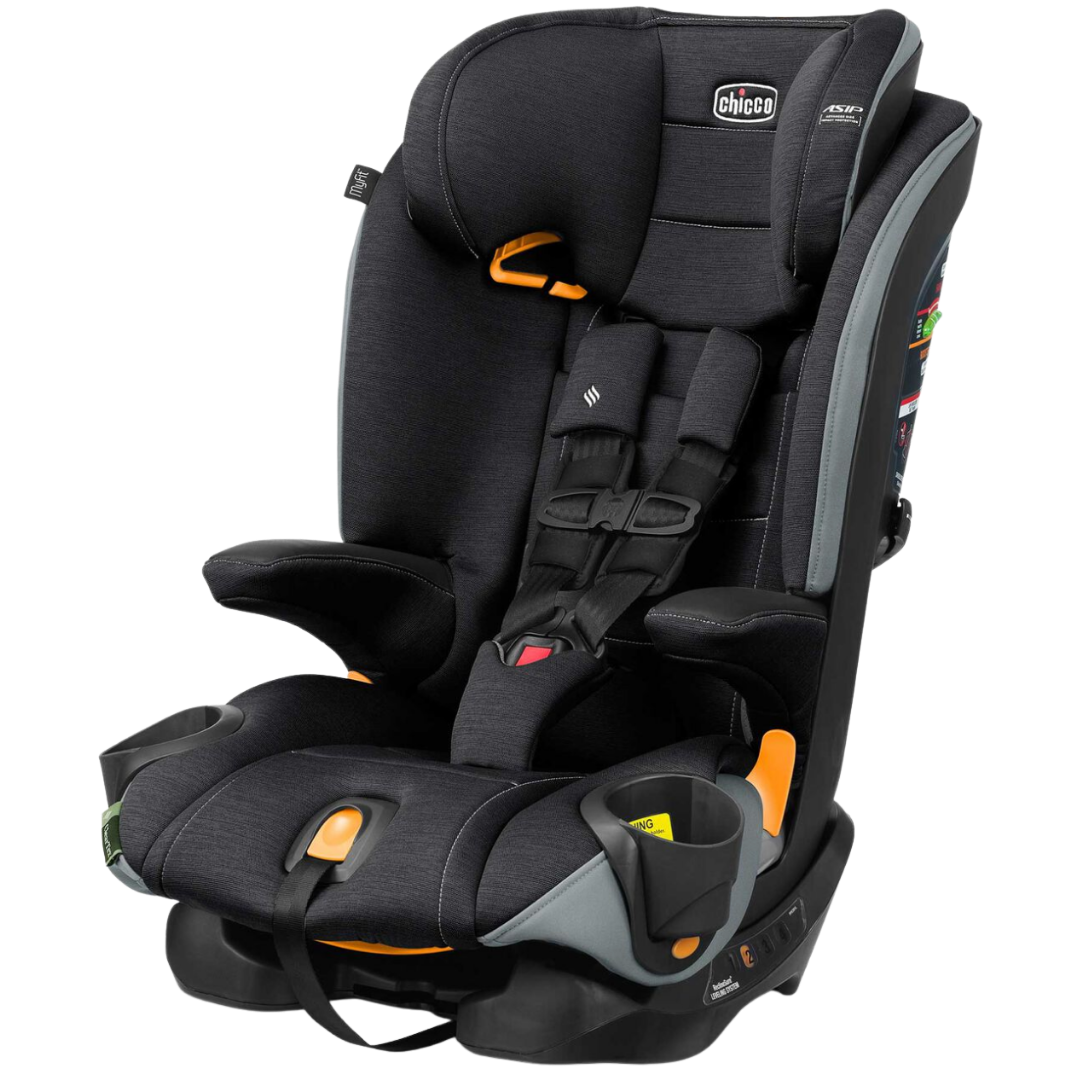
Forward-facing: 26.5-65 lbs., 54” or less, 2+ years old
Highback booster: 40-100 lbs., 44-57”, 4+ years old
Top harness height: 20”
Shoulder belt height: 21”
8 Year Expiration
Replace after any crash
Pros: Shoulder belt lockoff; narrow
Cons: Doesn’t work well with angled vehicle head restraints
Best For: Taller kids because the overall height limit is taller
Comments: The MyFit in Iron and Haven are not FR-free ClearTex fashions. If you prefer FR-free, make sure the fashion has “ClearTex” in the name.
3-in-1 Seats: Harness to Highback Booster to Backless Booster
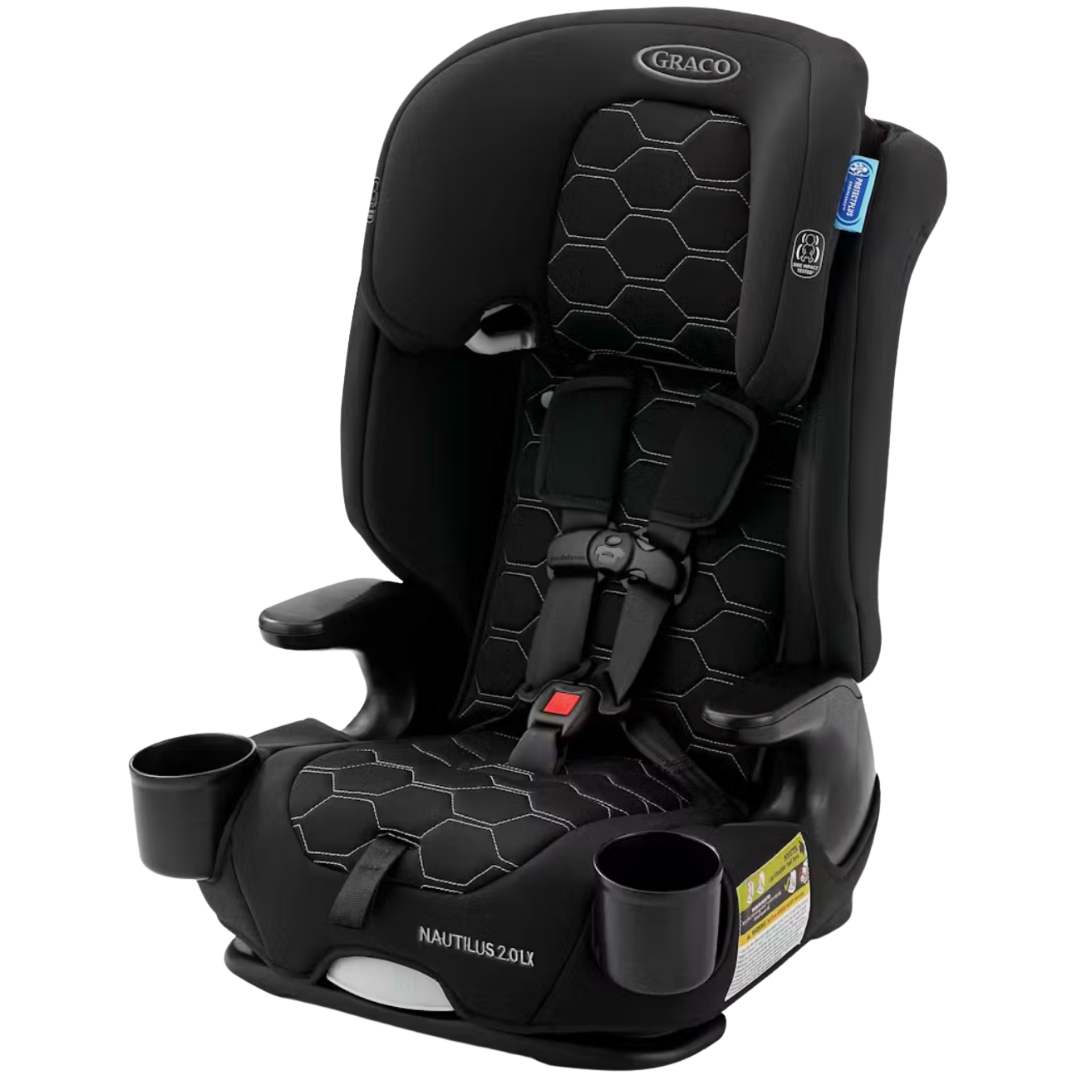
Forward-facing: 26.5-65 lbs., 27-49”, 1+ year old
Highback booster: 40-100 lbs., 43-57”, 4+ years old
Backless booster: 40-120 lbs., 43-57”, 4+ years old
Top harness height: 19”
Shoulder belt height: 20”
10 Year Expiration
Replace after any crash
Pros: Should work well with most vehicle head restraints
Cons: No lockoff
Best For: Average size kiddos
Comments: The Nautilus has always been a solid performer in the combo category. It doesn’t have the highest harness slots, but it gets most kids safely to belt-positioning booster age. We wish it had even the basic Graco lockoff, but it doesn’t.
The difference between the regular 2.0 and the 2.0 LX models is an easy-to-remove cover and push-on LATCH connectors, so if those features aren’t important to you, save the $30 and get the regular 2.0 model (though we’ve removed lots of covers from car seats and always recommend the easier-to-remove versions!).
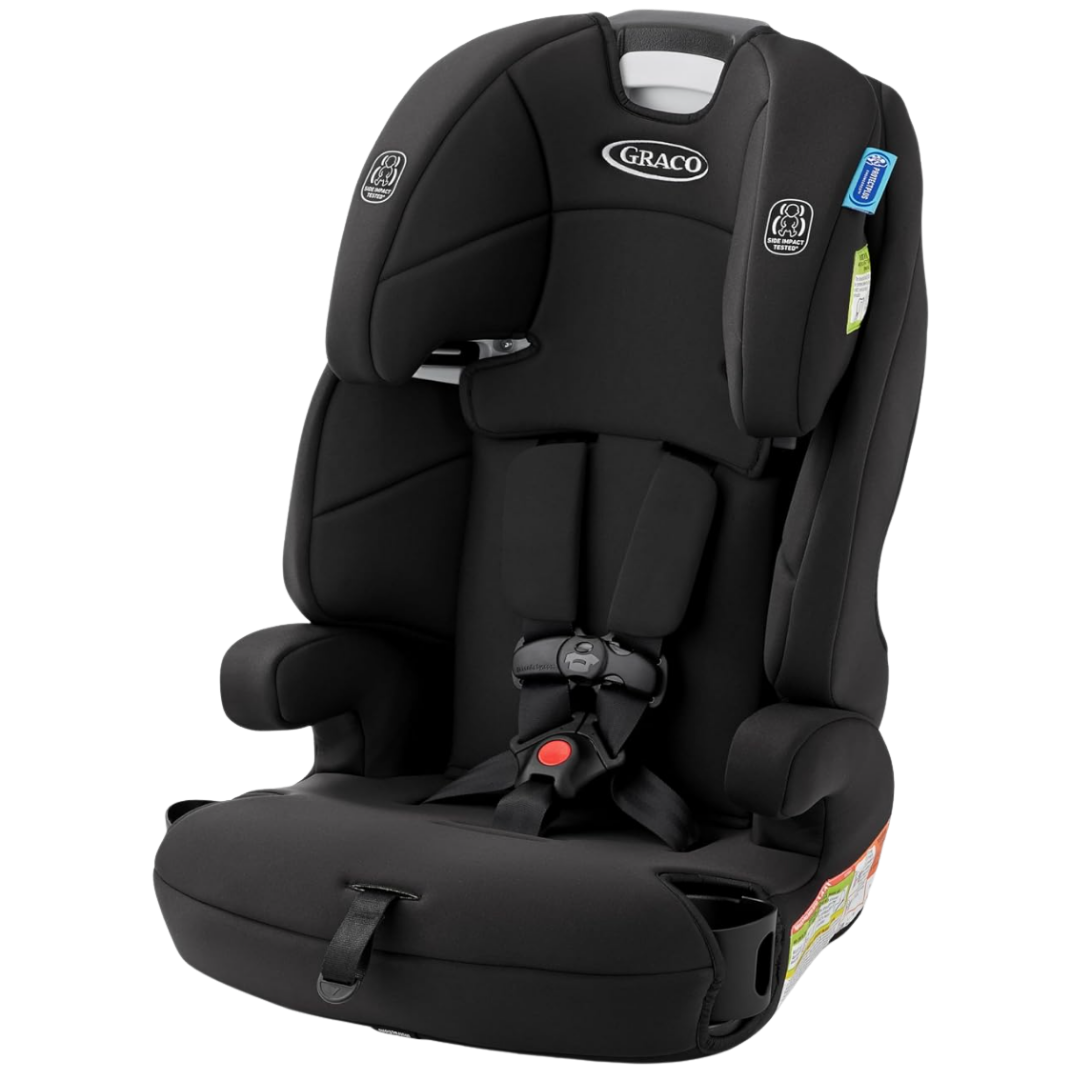
Forward-facing: 26.5-65 lbs., 49” or less, 1+ year old
Highback booster: 40-100 lbs., 43-57”, 4+ years old
Backless booster: 40-100 lbs., 43-57”, 4+ years old
Top harness height: 18”
Shoulder belt height: 20”
7 Year Expiration
Replace after any crash
Pros: Lightweight
Cons: The Tranzitions is either easy to install or difficult to install—there’s no in between
Best For: Lightweight, so great for travel; however, see the Cons above. You may not be able to get a good installation in a rental vehicle.
Comments: The Tranzitions has a high belt path and smooth base and that combination makes for a difficult installation in some vehicles. It may seem tight when you tug side-to-side, but when you pull the harness snug, it slips forward and is loose. It’s lightweight, which makes it great for travel, but practice installing it beforehand so you know the tricks you need for a good installation. It’s also got a low profile, which allows for more legroom in tight spots.
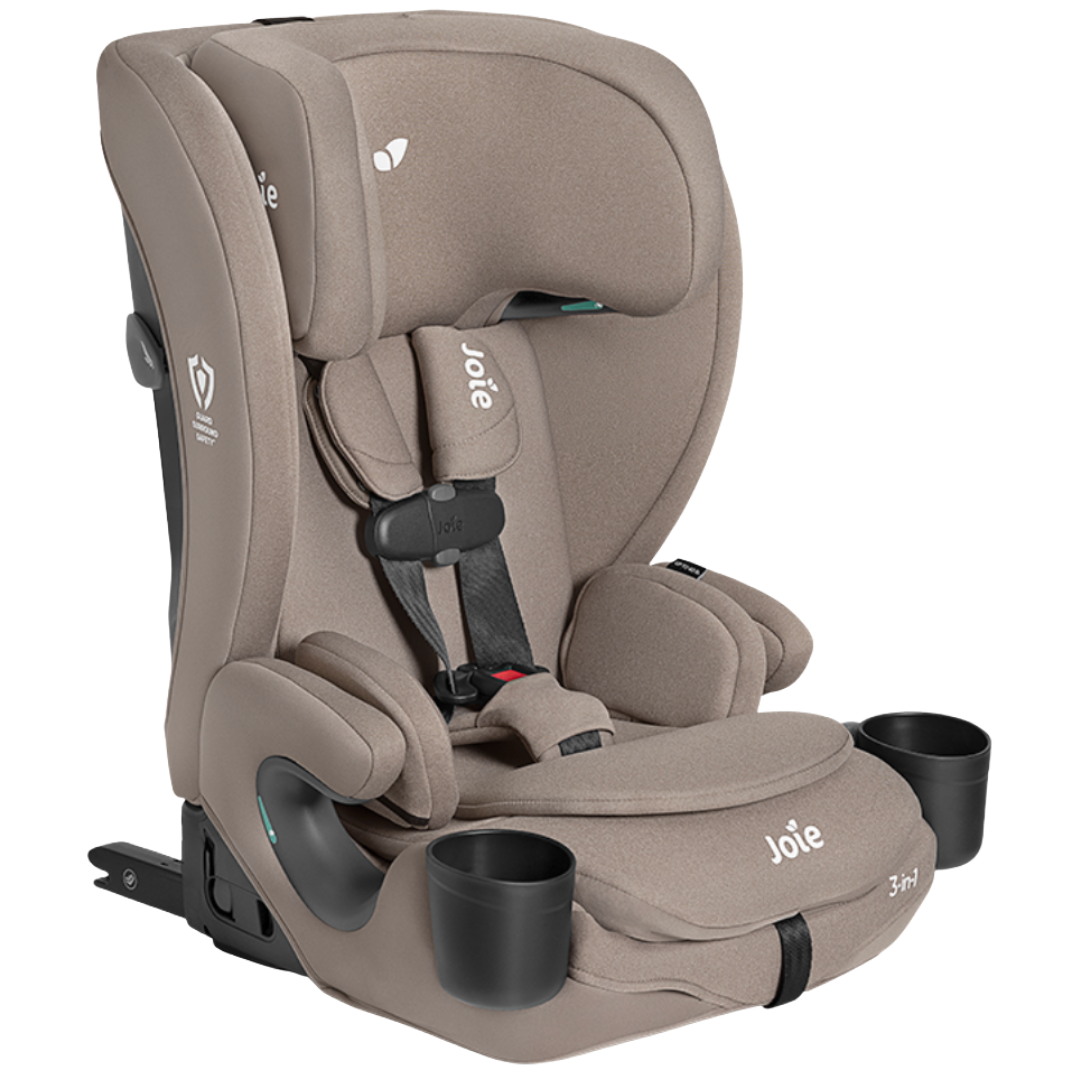
Joie bay latch SI
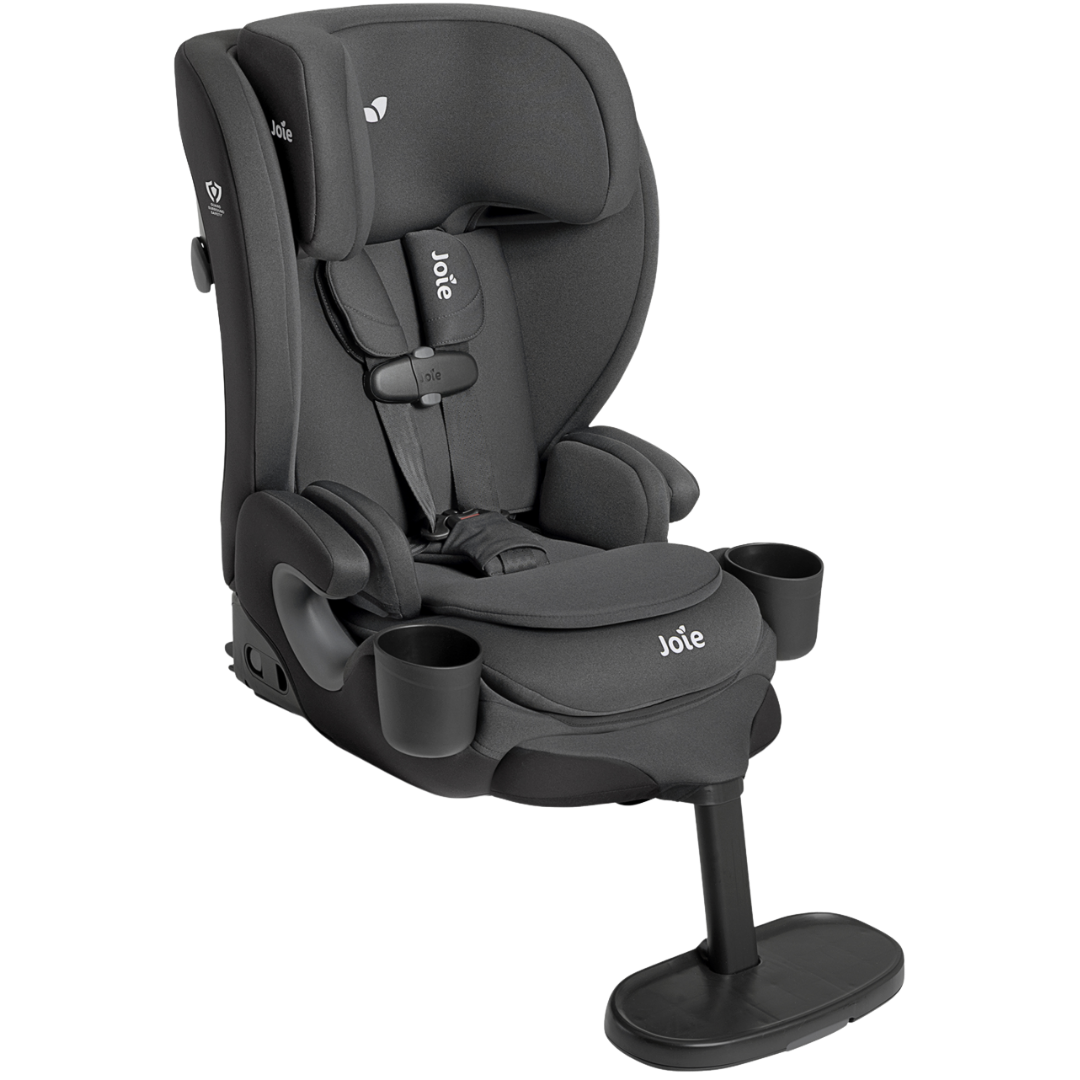
Joie bay latch SI plus
Forward-facing: 30-65 lbs., 27-49”, 1+ year old
Highback booster: 40-100 lbs., up to 57”, 4+ years old
Backless booster: 50-120 lbs., 43-60”, 4+ years old
Top harness height: 18 ½”
Shoulder belt height: 22”
10 Year Expiration
NHTSA Crash Guidelines
Pros: Rigid LATCH connectors, can use seat belt to install with rigid LATCH at the same time if vehicle allows, shoulder belt lockoff, works well with most vehicle head restraints, seat depth expands to increase legroom, footrest (included on bay latch SI plus), magnetic chest clip
Cons: Side impact bolster insert must be used until 40 lbs., top harness slot height is confusing (see Comments)
Best For: Kiddos with long legs; caregivers who want an easy-to-install car seat
Comments: The bay latch SI is an excellent contender to this category of car seat: the features it brings for the price are amazing. The rigid LATCH provides a solid connection to the vehicle you can’t get with any other installation method.
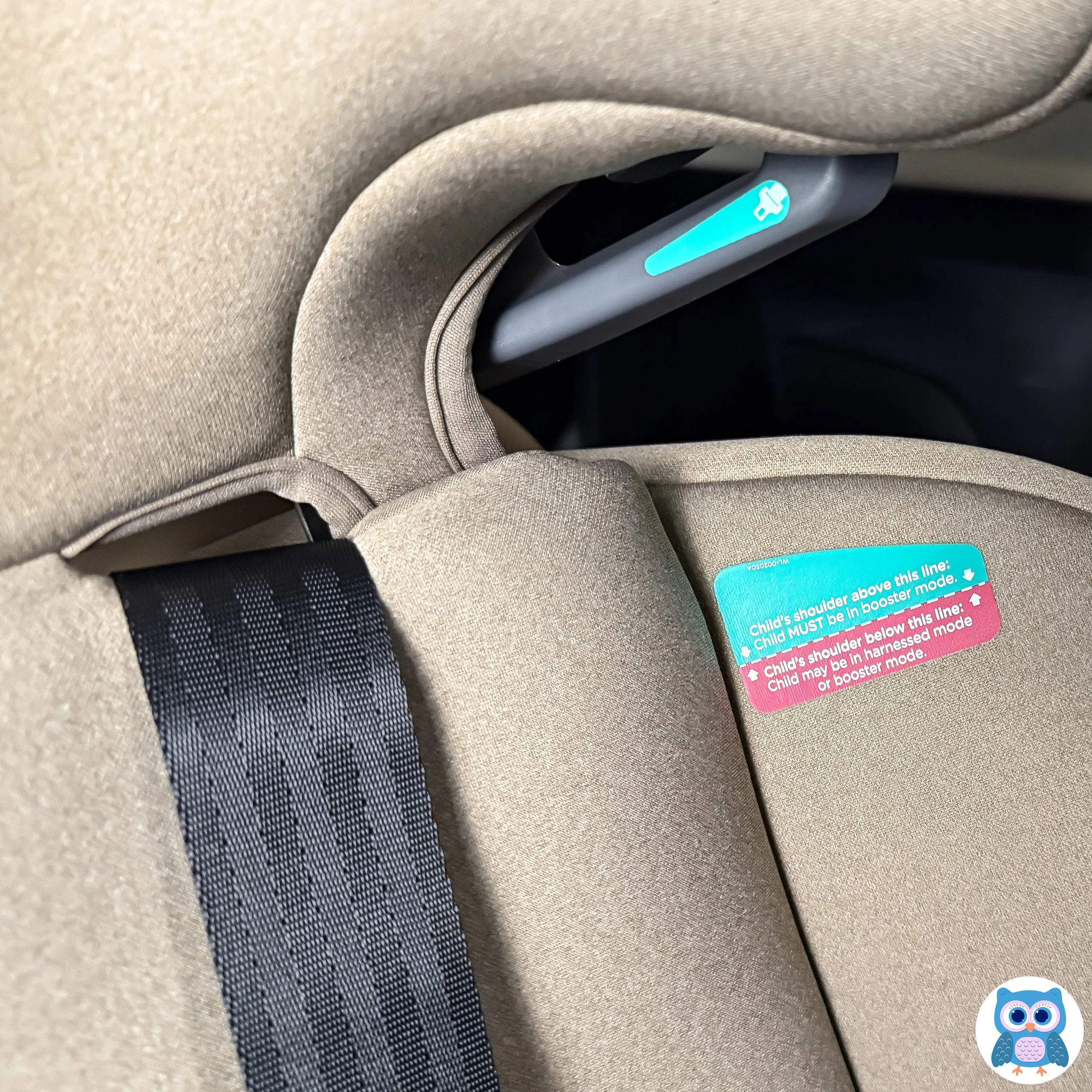
However, one potentially confusing spot is the highest harness position. There’s a label on the cover marking the highest position for the harness to be used, but the harness can continue to be lifted to higher positions. This is to accommodate the shoulder belt guide for belt-positioning highback booster mode. On all other combo seats, when you max out the harness height, you max out the shoulder belt guide height, but not the bay latch SI. It has another ~4” of height for highback booster use. So just be aware of this potential area of misuse.
See our preview here: thecarseatpros.com/blog/baylatchsipreview